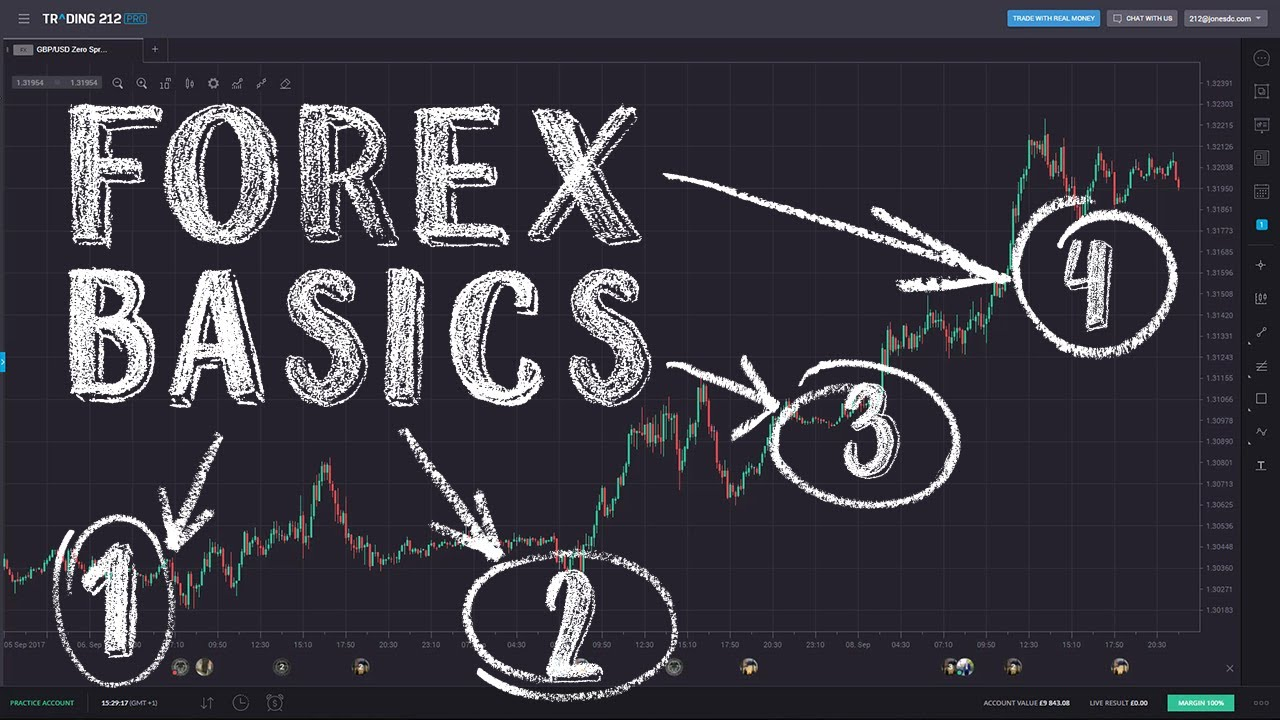
Forex trading is one of the largest financial markets in the world, where currencies are bought and sold against one another. The term Forex stands for foreign exchange, and the market allows individuals, businesses, banks, and financial institutions to exchange currencies. Many traders participate in forex markets to speculate on currency price movements, while others use them to manage international payment and currency risks.
For beginners, forex trading may seem complicated because prices change continuously and several economic factors influence the market. However, learning the fundamentals, understanding currency pairs, and developing a structured trading plan can make the subject easier to understand.
Forex trading also involves significant financial risk. Currency prices can move unexpectedly, and leverage can increase losses. Therefore, beginners should focus on education, practice, and risk management instead of expecting quick profits. This guide explains how forex trading works, the major trading strategies, how to get started, and how to avoid common mistakes.
1. What Is Forex Trading and How Does It Work?
Forex trading involves buying one currency while simultaneously selling another. Currencies are quoted in pairs, such as EUR/USD, GBP/USD, and USD/JPY. The first currency is called the base currency, while the second is known as the quote currency.
For example, if the EUR/USD exchange rate is 1.10, it means one euro is worth 1.10 US dollars. If a trader expects the euro to strengthen against the dollar, they may buy the pair. If the exchange rate rises, the position may generate a profit. If the rate falls, the trader may experience a loss.
Forex prices are influenced by interest rates, inflation, employment reports, central bank decisions, political developments, and economic growth. These factors can create opportunities but can also produce sudden market volatility.
The forex market operates through a global network of banks, brokers, financial institutions, and other participants. Trading activity generally follows major financial centers, including London, New York, Tokyo, and Sydney. Market activity and liquidity can vary depending on the time of day and the currency pair being traded.
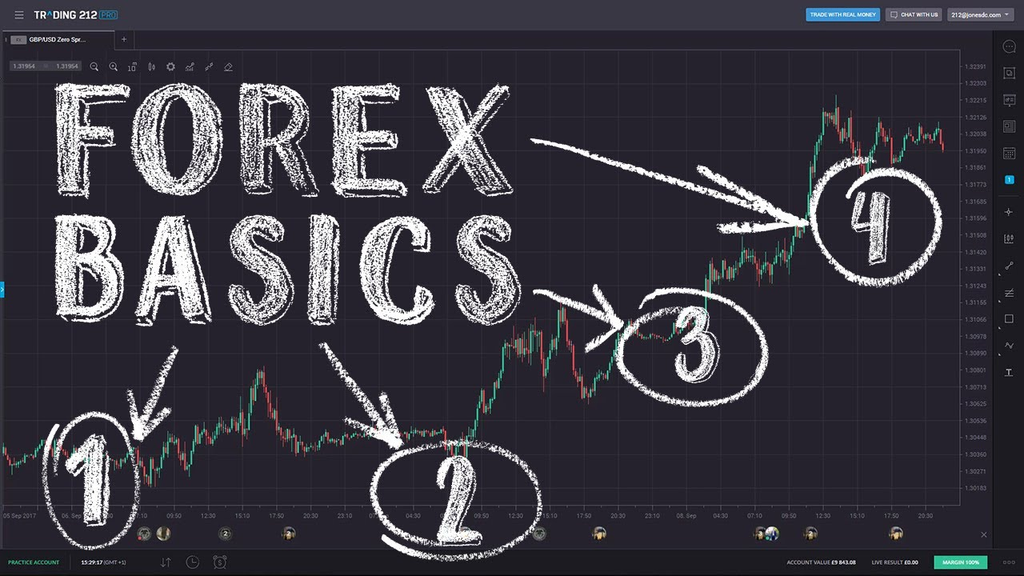
Traders should also understand spreads, commissions, overnight financing costs, and slippage. These expenses can affect the final trading result, even when a trade moves in the expected direction.
2. Popular Forex Trading Strategies for Beginners
Different forex trading strategies suit different schedules, experience levels, and risk preferences. Beginners should study one approach carefully before attempting multiple strategies.
Day Trading: Day traders open and close positions within the same trading day. They analyze short-term price movements and attempt to benefit from intraday fluctuations. This approach requires regular monitoring and disciplined decision-making.
Swing Trading: Swing traders hold positions for several days or weeks, aiming to benefit from medium-term price movements. They may use technical analysis and economic information to identify possible entry and exit points.
Trend Trading: Trend trading focuses on identifying whether a currency pair is moving upward or downward over a particular period. Traders may use moving averages, price structure, and trendlines to evaluate market direction. However, trends can reverse unexpectedly.
Breakout Trading: Breakout traders look for prices moving beyond established support or resistance levels. They may study trading volume, price momentum, and economic events to evaluate whether the movement could continue.
Fundamental Trading: Fundamental traders study economic indicators, inflation figures, interest rates, and central bank announcements. For example, changing expectations about interest rates can influence demand for a currency.
No strategy guarantees success in every market condition. Beginners should practice using a demo account and evaluate their results before risking real money.
3. How to Start Forex Trading Step by Step
Starting forex trading requires research and preparation. Following a clear process can help beginners understand the market before making financial commitments.
Step 1: Learn the Basics
Understand currency pairs, pips, spreads, leverage, margin, market orders, and limit orders. Learn how economic announcements affect currency prices and why trading costs matter.
Step 2: Research the Broker
Check the broker’s regulatory status, trading conditions, fees, withdrawal policies, and reputation. Avoid platforms that promise guaranteed returns or pressure users to deposit money quickly.
Step 3: Practice With a Demo Account
A demo account allows you to practice using virtual funds. Use it to understand how orders work, test strategies, and learn how price movements affect trading positions. Remember that demo trading does not fully reproduce the emotional pressure of risking real money.
Step 4: Create a Trading Plan
Define your preferred currency pairs, entry conditions, exit rules, and maximum acceptable loss. Avoid entering trades simply because prices are moving quickly or someone has shared an unverified trading signal.
Step 5: Understand Local Regulations
Before trading, check whether the proposed broker, currency pair, and trading product are permitted in your jurisdiction. If you are in India, verify the latest Reserve Bank of India and other applicable regulatory guidance. Not every offshore forex platform or product is authorized for Indian residents.
Step 6: Manage Your Capital Carefully
If you decide to trade legally with real money, use only funds you can afford to lose. Avoid borrowing money, using emergency savings, or increasing position sizes to recover previous losses.
4. Forex Risk Management and Common Trading Mistakes
Risk management is essential because currency prices can change quickly in response to unexpected news. A strategy may perform well for some time and still experience losing trades.
Position sizing is an important part of risk management. Before opening a position, determine how much you could lose if the price moves against you. Avoid placing a large proportion of your trading capital into a single trade.
Leverage deserves particular attention. It allows traders to control a larger position with a smaller deposit, but it can magnify losses and lead to rapid liquidation or margin calls. Beginners should understand these risks before considering leveraged products.
Stop-loss orders may help limit potential losses, although the final execution price is not guaranteed during fast markets or price gaps. Traders should also account for spreads, commissions, and overnight financing costs.
Common mistakes include overtrading, ignoring economic calendars, following unverified signals, trading emotionally, and changing a strategy after every losing trade. Another frequent mistake is assuming that a high win rate automatically means profitability. The size of winning and losing trades, along with trading costs, also matters.
Maintaining a trading journal can help you evaluate performance. Record each trade’s entry, exit, reason, costs, and outcome. Reviewing these records can reveal repeated mistakes and help you make more informed decisions.
Conclusion
Forex trading provides access to the global currency market, but it requires knowledge, discipline, and careful risk management. Beginners should learn how currency pairs work, study market fundamentals, practice with a demo account, and research the legal requirements that apply to them.